Designing for Dwell Time, Connection and Performance
Public spaces succeed when people choose to use them. Long after construction is finished and the planting has grown, the real test begins. Do people stop, meet, stay longer than they planned or come back? For architects and landscape architects, creating these results goes beyond visual appeal. The most successful outdoor environments balance aesthetics, comfort, accessibility and durability to support the way people naturally move, gather and connect. Furniture plays a critical role.
Far from a finishing touch, it influences how a space functions day-to-day, shaping everything from dwell time and social interaction to the long-term performance of the landscape itself.
Designing for people
Successful public spaces are designed around human behaviour. Whether it’s a public square, education precinct, waterfront reserve or commercial development, people are drawn to environments that feel intuitive, comfortable and welcoming. They seek out shade on hot days, places to stop between destinations, and opportunities to connect with others. Thoughtfully positioned seating, shelter and gathering areas help create these experiences. They encourage people to slow down, spend time in a space and engage more deeply with their surroundings. Dwell time is often one of the clearest indicators of success. When people choose to stay, spaces become more vibrant, active and valuable to the community.
Long-term performance
Designing for longevity is just as important as designing for visual impact. Australia’s climate places significant demands on outdoor infrastructure. Intense UV exposure, changing weather conditions and heavy public use can quickly impact products that aren’t purpose-built for long-term performance. Material selection deserves the same consideration as form and aesthetics. Aluminium offers exceptional corrosion resistance and durability, while high-quality powder-coated finishes help maintain appearance over time. The most successful outdoor environments continue to look and function as intended years after installation.
Furniture as landscape
Furniture does far more than provide a place to sit. It can define meeting places, frame views, create transitions between spaces and influence movement throughout a site. It helps establish how people interact with a landscape and with each other. When considered early in the design process, furniture becomes part of the landscape architecture rather than an element added at the end. It supports the visual language and practical function of a space, reinforcing design intent while enhancing usability.
Inclusive design
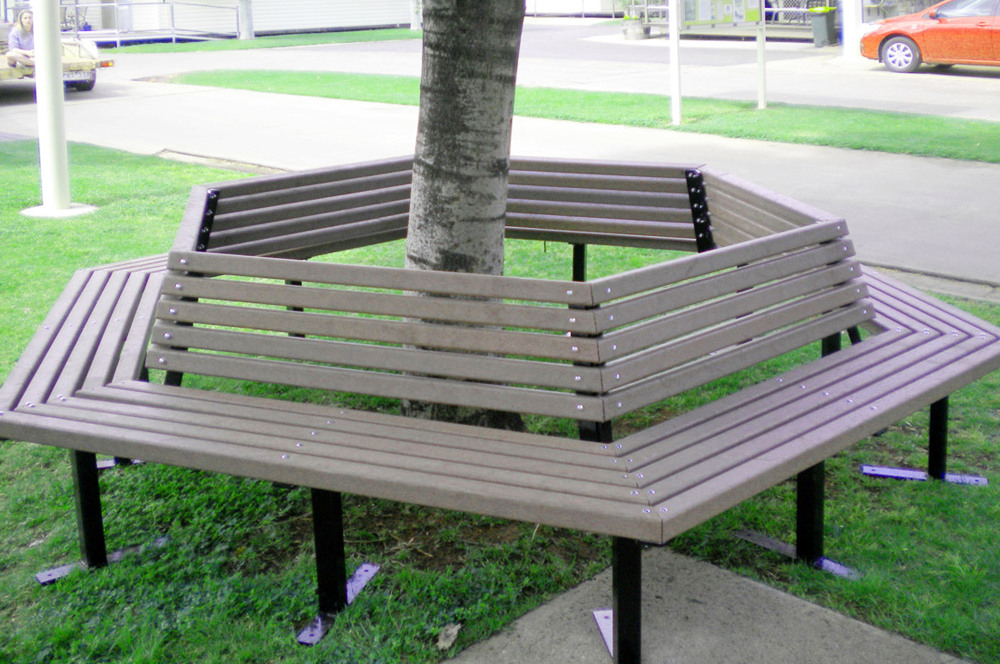
Inclusive public spaces create opportunities for everyone to participate, connect and feel welcome. The Wheelchair Ribbon Outdoor Setting provides DDA-compliant seating with a contemporary architectural aesthetic, helping people of all abilities comfortably engage within shared environments. Similarly, the Peak Hexagon Tree Seat transforms shaded areas into natural gathering places, creating destinations for rest, conversation and community. Manufactured from durable recycled materials, it offers long-term performance with minimal maintenance requirements.
Better outcomes
The best projects are never the result of a single discipline working in isolation. Early collaboration between designers, clients and furniture specialists identifies opportunities, addresses practical considerations and ensures products support the vision for a space. Accessibility requirements, maintenance considerations, installation methods and user behaviour are all easier to resolve when discussed early in the design process. The result is an outdoor environment that performs as intended.
Designing for the long term
Great outdoor spaces are remembered for how they make people feel. They encourage connection, support community activity and invite people to spend time within them. Achieving this demands a thoughtful balance of aesthetics, functionality, durability and human-centred design.
Let’s collaborate and create places people genuinely want to use, enjoy and return to.
Designing Future-Ready Multi-Use Outdoor Spaces
Preparing Outdoor Spaces for Spring Learning

Great Placemaking Starts With Furniture and Shade
Building Better Clubs Beyond the Field
Designing for Shade, Heat and Heavy Use
How to Activate Underused Spaces
Facility Managers: Specify Outdoor Furniture Right